Seamless Fund Transfers Bridge Reel Cycles, Live Dealer Tables, and Layered Incentives Across Mobile Networks
Written by Parker Frank · May 29, 2026
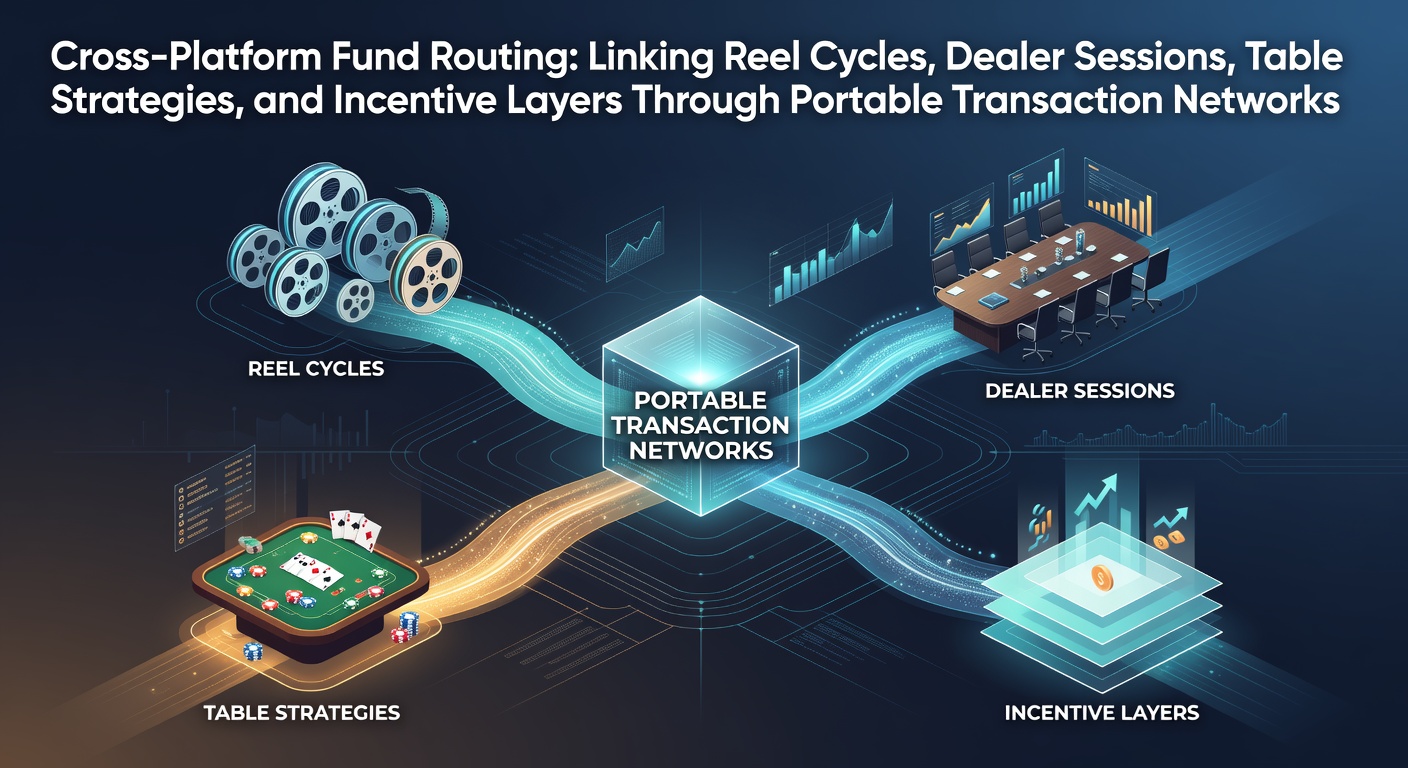
Seamless Fund Transfers Bridge Reel Cycles, Live Dealer Tables, and Layered Incentives Across Mobile Networks
Portable transaction networks now route funds between reel cycles, dealer sessions, table strategies, and incentive layers in ways that keep balances synchronized across devices and game types, according to industry reports on digital gaming infrastructure. These systems handle deposits, withdrawals, and bonus allocations without forcing players to log out or restart sessions, while data from multiple regulatory regions shows rising adoption rates in both online and hybrid casino operations.
Reel Cycles and Their Place in Cross-Platform Routing
Reel cycles in modern slots generate frequent micro-transactions that portable networks capture and redirect toward other game categories or stored incentives, and operators integrate these flows through APIs that update balances in real time. Research from the University of Nevada's gaming technology studies indicates that seamless routing reduces session interruptions by linking slot outcomes directly to live dealer interfaces, allowing winnings to appear instantly in table game wallets without additional verification steps.
Dealer Sessions and Table Strategies Connected Through Mobile Pathways
Live dealer sessions require stable transaction streams because players often shift strategies mid-game, moving funds between blackjack, roulette, and baccarat tables while incentive layers adjust promotional credits accordingly. Portable networks accomplish this by maintaining a central ledger that updates across platforms, and figures from the Australian Communications and Media Authority reveal increased use of such systems in licensed markets where multi-game participation has grown steadily since 2023. Observers note that table strategy adjustments become more fluid when players can top up or withdraw during active rounds without leaving the dealer interface.
Incentive Layers and Their Integration with Transaction Protocols
Incentive layers, including cashback, loyalty points, and time-limited bonuses, sit atop these networks so that rewards earned in one game type convert automatically for use elsewhere. Data compiled by the Canadian Gaming Association shows that operators employing unified routing report higher retention when players access layered promotions without manual transfers, and the same reports highlight reduced support queries related to missing credits. Those who have examined platform architectures point out that portable networks also track expiration rules and wagering requirements across all connected games, preventing mismatches that previously required manual reconciliation.
What's interesting is how these connections extend to mobile environments where players switch between devices during a single session. Networks detect location and device changes, then maintain continuity for both fund balances and active incentives, and case studies from European operators demonstrate that such continuity supports longer engagement periods without forcing repeated authentication.

Developments Anticipated in May 2026 Platform Evaluations
Platform evaluations scheduled for release in May 2026 are expected to spotlight advancements in portable transaction speed and cross-category compatibility, particularly where reel cycles feed directly into live dealer environments. Industry analysts anticipate that rankings will reflect measurable improvements in fund routing latency and incentive synchronization, based on preliminary testing data shared by several technology providers. These assessments will also examine how networks handle peak loads during simultaneous slot and table activity, drawing comparisons across North American, European, and Asia-Pacific markets.
Security and Compliance Considerations in Portable Networks
Security protocols within portable transaction networks incorporate encryption standards and multi-factor authentication that travel with the user across game types, and regulatory bodies such as the Malta Gaming Authority have documented declining fraud incidents where these measures are fully deployed. Compliance reporting now includes transaction logs that span reel cycles through to incentive redemptions, creating audit trails that satisfy requirements in multiple jurisdictions. Observers note that the same networks support responsible gaming tools by allowing real-time balance visibility regardless of which game category a player currently occupies.
Conclusion
Portable transaction networks continue to evolve as the connective tissue between reel cycles, dealer sessions, table strategies, and incentive layers, with measurable impacts on operational efficiency and player movement across casino environments. Data from diverse regulatory sources confirms ongoing integration in licensed markets, while May 2026 evaluations will likely provide updated benchmarks on performance and compatibility. As these systems expand, the core function remains consistent: enabling fluid fund movement that supports varied gameplay without friction or fragmentation.