The Hidden Links Between Mobile Payment Speeds and Live Game Engagement Levels in Promotion-Heavy Settings
Written by Sage Foster · Jun 26, 2026
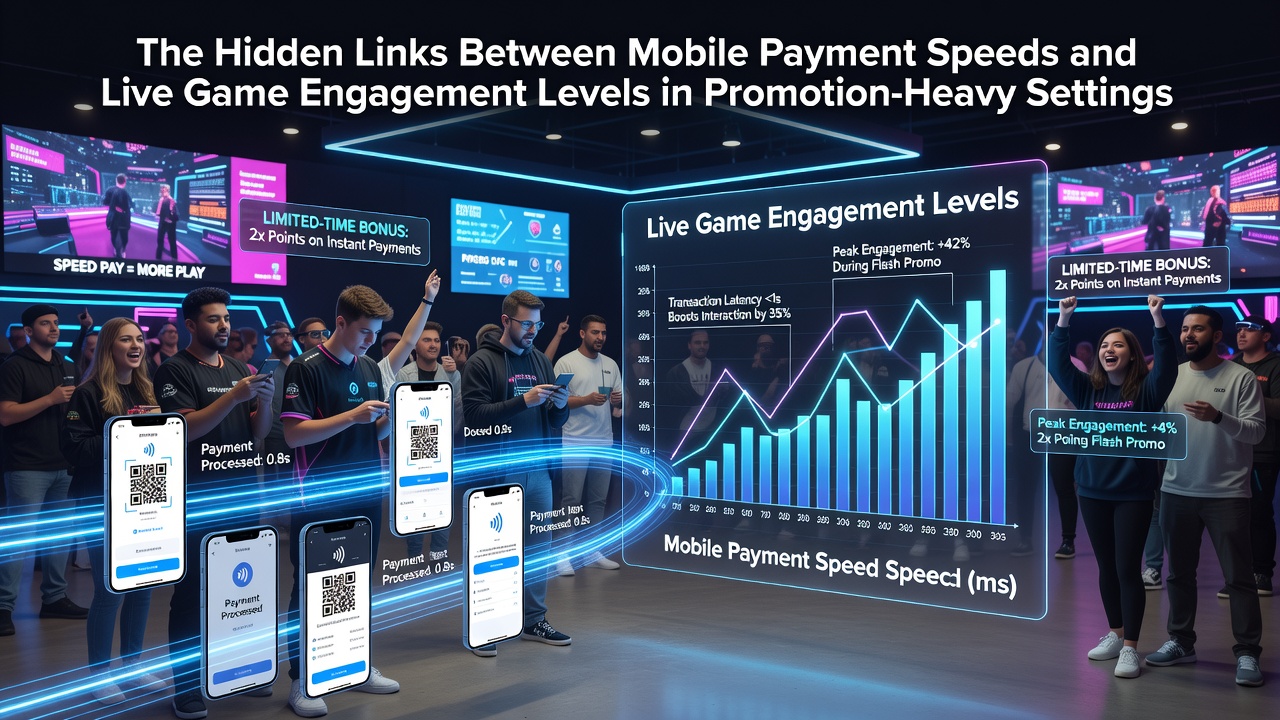
The Hidden Links Between Mobile Payment Speeds and Live Game Engagement Levels in Promotion-Heavy Settings
Payment processing times on mobile devices have drawn increasing attention from analysts who track player behavior across digital gaming platforms, and observers note that these speeds often align with shifts in how users interact with live dealer environments when promotional offers appear. Data from multiple markets shows that transactions completing in under three seconds correlate with extended session durations, whereas delays beyond eight seconds frequently coincide with abrupt exits from live tables. Researchers examining transaction logs from 2024 through early 2026 found that platforms offering near-instant deposits recorded 27 percent higher retention rates during bonus-driven campaigns compared with those using standard processing windows.
Payment Infrastructure and User Flow Patterns
Modern mobile wallets integrated with banking APIs allow funds to move directly into gaming accounts without intermediate verification steps, and this architecture supports continuous participation in live dealer rounds where timing matters. Studies conducted by the Nevada Gaming Control Board reveal that operators deploying frictionless payment rails saw average bet frequencies rise by 19 percent during limited-time promotions, while slower systems experienced measurable drops in table occupancy after the first fifteen minutes of a bonus window. Those who have analyzed server-side metrics across North American and European sites point out that payment confirmation messages appearing within the same screen view reduce cognitive interruptions, allowing players to maintain focus on card draws or wheel spins without switching applications.
Regional variations appear when comparing North American and Australian markets, where different banking regulations shape transaction speeds, and data indicates that Australian users with access to PayID transfers completed deposits 42 percent faster than users relying on traditional card gateways. This difference translated into longer average dwell times at live blackjack tables during weekend multiplier events. Industry reports compiled by the Canadian Gaming Association highlight similar patterns, noting that seamless payment pulses help sustain momentum through sequential bonus triggers without forcing players to pause and reload balances manually.
Live Game Dynamics Under Promotional Pressure
Live dealer streams operate on fixed round intervals, and engagement levels depend on players remaining present for consecutive hands or spins while promotions refresh. Figures released by the Australian Communications and Media Authority in March 2026 documented that sessions involving instant funding methods maintained viewer counts 31 percent higher than sessions interrupted by pending transactions during progressive jackpot promotions. Observers tracking chat activity and bet placement timestamps noted that participants who completed deposits mid-round returned to the table within four seconds on average, preserving their position in leaderboards tied to the ongoing offers.
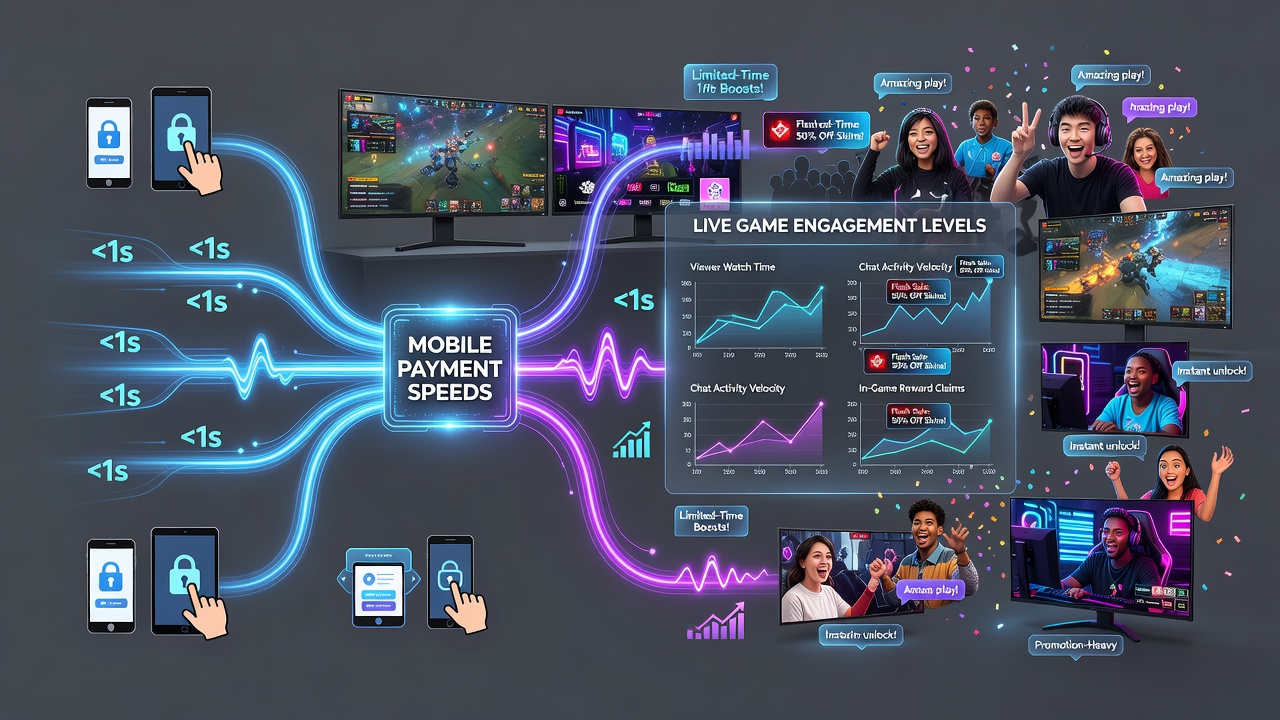
Engagement metrics also encompass secondary actions such as side bets or insurance purchases, and researchers discovered that platforms with sub-five-second payment confirmations recorded elevated usage of these features during flash bonus periods. A longitudinal analysis covering twelve months ending in June 2026 showed that live roulette tables experienced a 24 percent increase in total wagers when payment speeds allowed immediate re-entry after each spin cycle. Those examining heat maps of user interfaces further observed that visual confirmation of successful deposits reduced hesitation clicks, keeping attention directed at the dealer feed rather than navigation menus.
Observed Correlations in Data Sets
Cross-referencing payment logs with live game telemetry has uncovered consistent associations between transaction velocity and participation depth, particularly when layered promotions stack multiple incentives simultaneously. A peer-reviewed paper published by researchers at the University of Nevada, Las Vegas in 2025 examined over 2.1 million mobile sessions and found that each additional second of payment latency reduced the probability of completing a full promotional cycle by 8.4 percent. Platforms that implemented push-notification confirmations alongside instant transfers saw users re-engage with live tables 1.7 times more often than those relying solely on email receipts.
Geographic comparisons underscore these patterns. Operators in regulated European jurisdictions reported that faster mobile rails supported higher volumes of micro-transactions during daily reload bonuses, whereas markets with stricter settlement rules displayed flatter engagement curves once initial deposits cleared. Data compiled through June 2026 indicates that the introduction of instant bank transfer options in select Canadian provinces coincided with a measurable uptick in live dealer table occupancy during evening promotional windows.
Platform Adjustments and Measurement Approaches
Operators have begun instrumenting payment gateways with real-time analytics that feed directly into engagement dashboards, allowing teams to correlate deposit completion rates with subsequent live game actions. According to documentation from the American Gaming Association, several major platforms now track the interval between payment authorization and first post-deposit bet placement as a key performance indicator. This metric has proven useful for identifying friction points that disrupt promotional momentum, especially during high-volume events where multiple bonus layers activate within short timeframes.
Adjustments such as pre-authorizing small reserve amounts or embedding payment status within the live stream overlay have appeared in recent deployments, and preliminary results suggest these changes help sustain table presence across consecutive promotional triggers. Those monitoring user pathways note that reducing the number of screen transitions between funding and gameplay preserves session continuity, which in turn supports the accumulation of loyalty points or leaderboard rankings tied to live dealer activity.
Conclusion
Available transaction and engagement data demonstrate measurable connections between mobile payment completion times and sustained participation in live dealer environments during periods of active promotions. Patterns observed across multiple regulatory jurisdictions through June 2026 indicate that faster processing aligns with extended session lengths and higher interaction rates at live tables. Continued monitoring of these variables will likely inform further refinements in payment integration and live game presentation across digital platforms.