Tracing Payment Sequences to Multi-Tier Reward Triggers in Mobile Reel Play and Live Dealer Interactions
Written by David Schwarz · Jun 3, 2026

Tracing Payment Sequences to Multi-Tier Reward Triggers in Mobile Reel Play and Live Dealer Interactions
Transaction timelines in digital gambling environments connect directly to when layered rewards activate during portable reel sessions and interactive dealer formats, and operators track these sequences through integrated payment and gaming systems. Data from industry monitoring shows that deposit processing durations influence bonus eligibility windows, particularly where mobile slots rely on automated triggers and live dealer tables require real-time verification steps.
Portable reel sessions operate on short cycle mechanics where a completed transaction often releases initial reward layers within seconds, while subsequent tiers depend on play volume or time elapsed since the deposit cleared. Researchers at gaming technology firms have documented cases where instant payment rails reduce the gap between fund arrival and first-layer activation, allowing players to enter bonus rounds without manual intervention.
Payment Processing Patterns in Mobile Reel Environments
Mobile slot platforms link transaction completion timestamps to reward stacking rules that escalate based on deposit size, session duration, and consecutive spins. One study released in June 2026 by an international gaming analytics group indicated that average processing intervals for e-wallet deposits range between 12 and 45 seconds on optimized systems, and these intervals correlate with the speed at which loyalty points convert into playable bonus credits. Operators configure backend rules so that the first reward layer unlocks immediately upon successful authorization, whereas deeper tiers require either a minimum number of spins or a set time interval after the transaction posts.
Those who analyze session logs note that portable reel formats frequently employ progressive multipliers that build across multiple layers, and each layer ties to a distinct checkpoint in the transaction history. For instance, a deposit processed at 14:32 might activate the base reward at 14:33, the second layer after 50 spins completed within the following 12 minutes, and teh third layer once total wager reaches a predefined threshold. This mapping allows systems to maintain audit trails that satisfy regulatory reporting requirements across multiple jurisdictions.
Interactive Dealer Formats and Real-Time Verification
Live dealer environments introduce additional verification stages because table interactions involve human oversight alongside automated payment gateways. Transaction timelines therefore extend when identity checks or table minimum confirmations occur before reward layers become available. Observers have recorded that many platforms route live dealer deposits through the same core ledger as mobile slots, yet they apply separate activation delays to account for dealer hand resets and betting round closures.
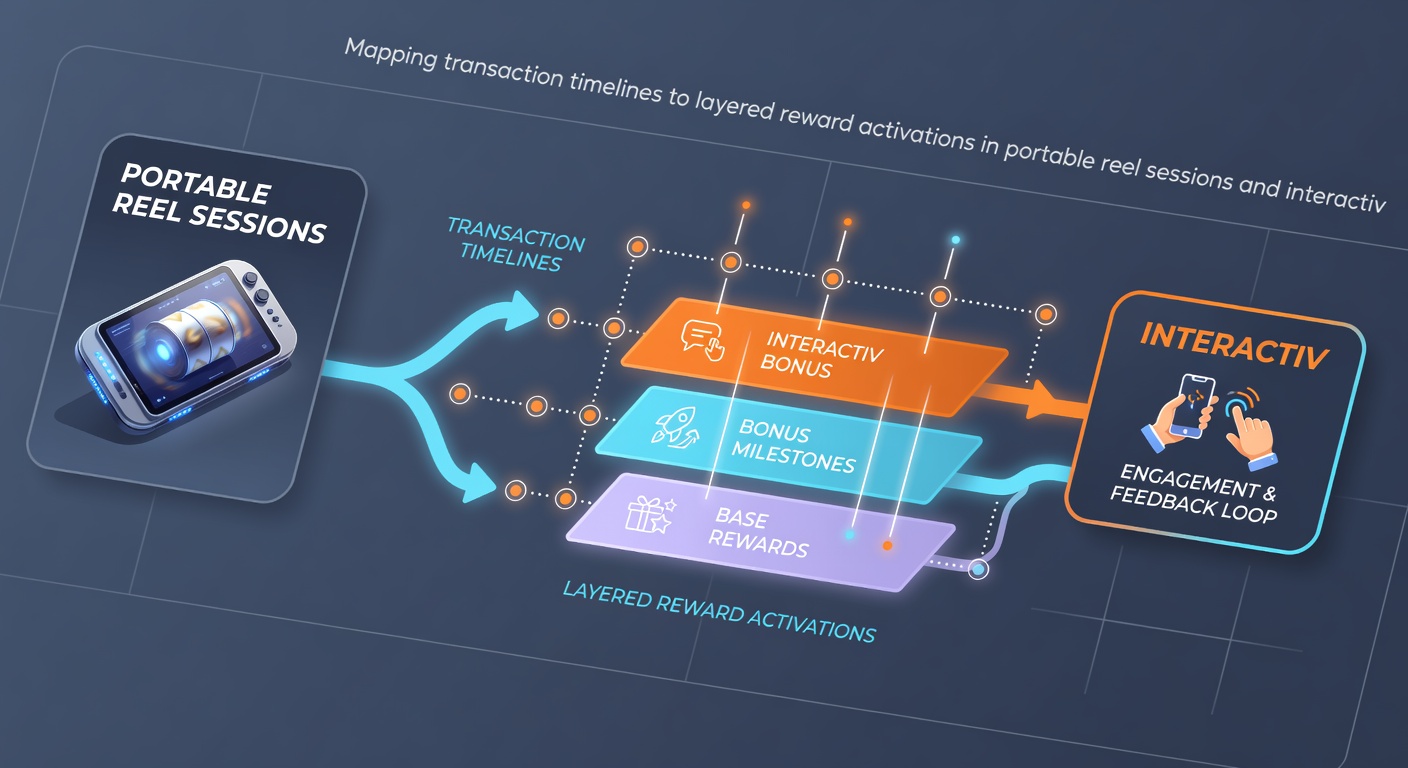
Figures released by the American Gaming Association reveal that integrated platforms handling both slot and live dealer traffic reduced average reward activation lag by 28 percent between 2024 and 2026 through unified transaction ledgers. In practice, a player who funds an account during a live blackjack session may see the first reward layer appear after the next betting round concludes, while the second layer activates only after the dealer completes a predetermined number of hands. This staggered approach prevents reward overlap and maintains game integrity across concurrent sessions.
Cross-Format Synchronization Techniques
Operators increasingly align transaction records across mobile reel and live dealer channels so that reward layers remain consistent regardless of device or game type. Data shows that unified timestamp protocols enable a single deposit to trigger layered bonuses that apply to both formats without requiring separate funding actions. Industry reports from the Canadian Gaming Association highlight cases where synchronized systems lowered player friction by allowing seamless transitions between portable slots and interactive tables while preserving the original transaction timeline for reward calculations.
Systems also incorporate conditional rules that adjust layer timing based on peak traffic periods, and these adjustments appear most frequently during evening hours when live dealer tables experience higher volumes. A transaction initiated at 21:15 on a high-traffic evening might therefore encounter an additional 30-second verification window before the second reward tier unlocks, whereas the same deposit made during off-peak hours processes without delay. Such conditional mapping helps platforms balance server load while keeping reward delivery predictable for users.
Regulatory and Technical Considerations
Regulatory frameworks in regions outside the United Kingdom require operators to maintain precise records that map every transaction to its corresponding reward activations. Australian state regulators, for example, mandate that platforms retain logs showing exact timestamps for deposit clearance and each subsequent bonus layer release. These requirements drive development of audit modules that automatically flag discrepancies between expected and actual activation times.
Technical teams implement API connections between payment processors and gaming engines to ensure that reward layers activate only after the transaction status changes to “completed.” Research published by the University of Nevada’s gaming management program in early 2026 examined 1.2 million sessions and found that platforms using real-time status polling experienced 17 percent fewer reward disputes compared with those relying on scheduled batch updates. The study further noted that live dealer formats benefited most from this polling because table events occur in rapid succession and any delay in reward activation can interrupt game flow.
Conclusion
Mapping transaction timelines to layered reward activations remains a core operational function for platforms that combine portable reel sessions with interactive dealer formats. The process relies on synchronized ledgers, conditional timing rules, and regulatory-compliant logging to deliver rewards at predictable intervals after each deposit clears. Continued refinement of these systems supports consistent player experiences across mobile and live dealer environments while meeting reporting standards in multiple markets.